





What Is THCa Hemp Flower?
THCa hemp flower is cannabis flower that contains high levels of tetrahydrocannabinolic acid (THCa), the naturally occurring precursor to Delta 9 THC. In its raw form, THCa is chemically different from Delta 9 THC. When THCa is exposed to sufficient heat, however, it converts into THC through a process called decarboxylation.
That distinction is one of the main reasons THCa flower has become such a widely discussed category of hemp. The flower looks, smells, and is cultivated much like other cannabis flower, but understanding its cannabinoid profile requires looking beyond the name on the package.
What Is THCa?
THCa stands for tetrahydrocannabinolic acid. It is a cannabinoid produced naturally by the cannabis plant and is the acidic precursor to Delta 9 THC.
Fresh cannabis plants generally produce cannabinoids in their acidic forms. Over time, and especially when exposed to heat, THCa can lose a carboxyl group and become Delta 9 THC.
This conversion is known as decarboxylation.
What Is THCa Flower?
THCa flower is cannabis flower selected and cultivated for a cannabinoid profile that contains significant amounts of THCa.
Like other cannabis flower, THCa flower can vary significantly from strain to strain. Differences may include:
- THCa percentage
- Delta 9 THC percentage
- Terpene profile
- Aroma
- Flavor
- Bud structure and appearance
- Growing method
- Moisture and curing quality
Because of these differences, the cannabinoid percentage printed on a product page tells only part of the story. The strain, terpene profile, cultivation quality, cure, freshness, and laboratory results can all help describe a particular flower.
THCa vs THC: What Is the Difference?
The biggest difference between THCa and Delta 9 THC is their chemical structure.
THCa contains an additional carboxyl group that Delta 9 THC does not. When THCa is heated, that portion of the molecule is removed and some of the THCa converts into Delta 9 THC.
In simple terms:
- THCa is the acidic precursor naturally found in cannabis flower.
- Delta 9 THC is produced in greater amounts when THCa undergoes decarboxylation.
This is why simply comparing the listed THCa percentage with the listed Delta 9 THC percentage does not tell you everything about a flower's potential cannabinoid content after heating.
What Happens to THCa When It Is Heated?
Heat causes THCa to undergo decarboxylation, converting a portion of the THCa into Delta 9 THC.
Decarboxylation is not unique to THCa products. It is a basic chemical process that occurs with cannabis cannabinoids when they are exposed to sufficient heat over time.
This distinction is important when reading a laboratory report because a flower sample can show a relatively high THCa percentage while showing a much smaller amount of Delta 9 THC before decarboxylation.
How Is THCa Flower Potency Measured?
THCa flower potency is typically evaluated through third-party laboratory testing. A cannabinoid analysis may report several cannabinoids separately, including:
- THCa
- Delta 9 THC
- CBDa
- CBD
- CBGa
- CBG
- Other detected cannabinoids
When comparing flower, it is better to look at the complete cannabinoid profile rather than focusing on a single large number.
If you're specifically interested in potency, we also put together a guide explaining how to compare stronger THCa flower and high-THCa strains.
What Is Total THC?
You may also see a laboratory report list or calculate Total THC. This estimate accounts for both measured Delta 9 THC and the portion of THCa that could theoretically convert into THC.
A commonly used calculation is:
Total THC = Delta 9 THC + (THCa × 0.877)
The 0.877 conversion factor accounts for the difference in molecular weight that occurs during decarboxylation.
This is one reason it is useful to read the full certificate of analysis instead of looking only at the THCa percentage.
What Does THCa Hemp Flower Look and Smell Like?
There is no single appearance or aroma that identifies THCa flower.
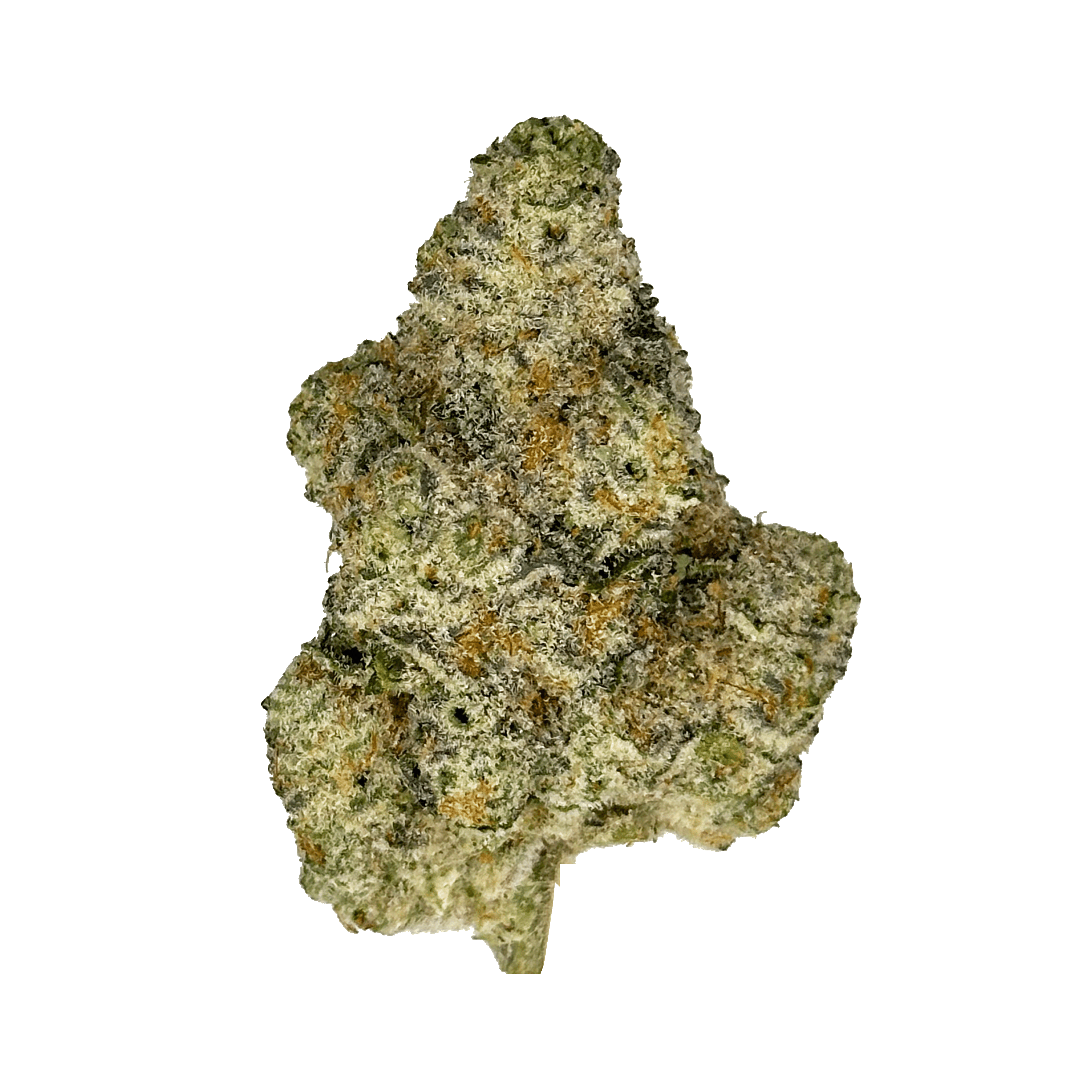
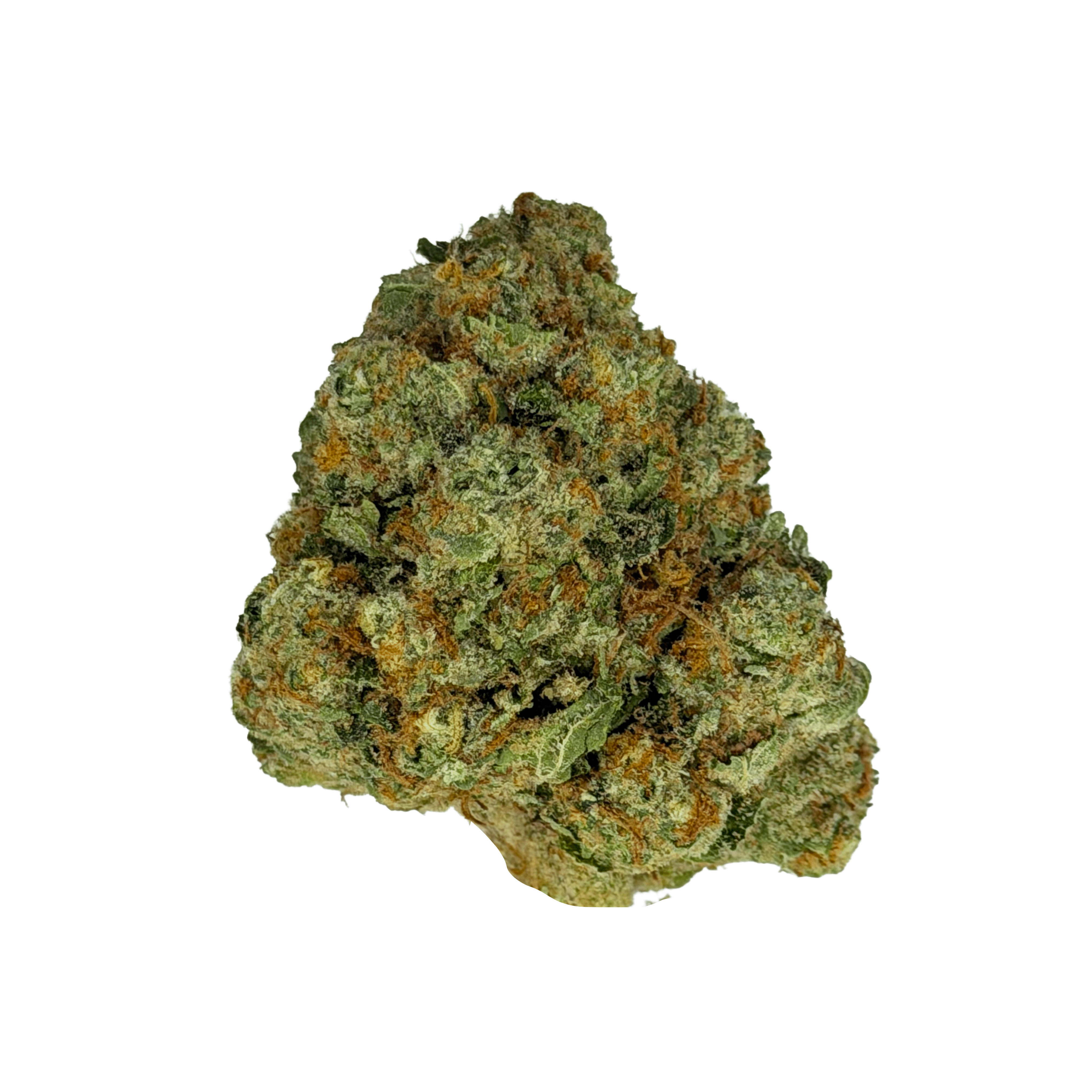
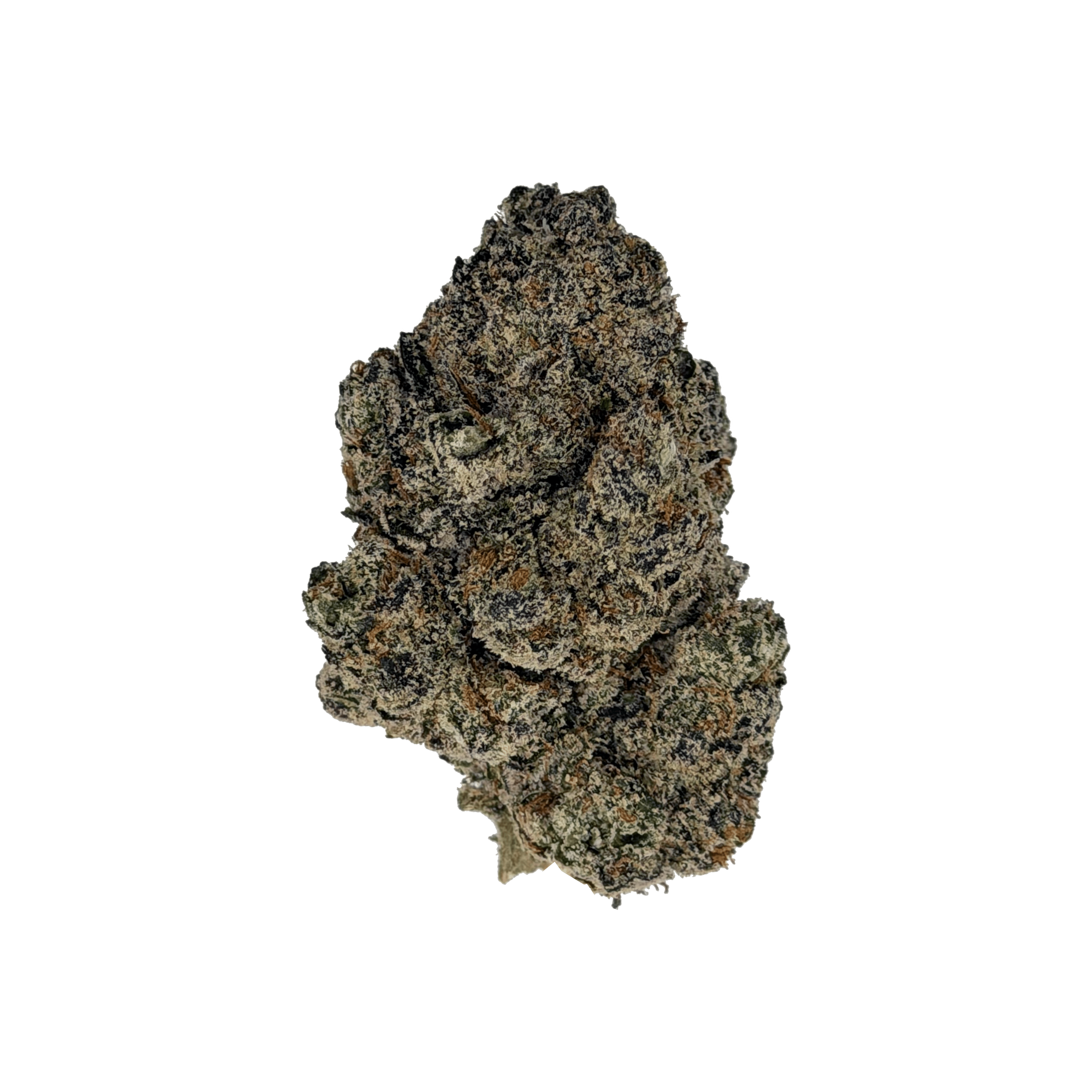
Depending on the strain and how it was grown, buds may be dense or airy, light or dark green, heavily coated in trichomes, or display purple, orange, or other coloration.
Aroma also varies significantly because much of a flower's scent comes from its terpene profile. Different strains may have aromas commonly described as:
- Citrus
- Fruit
- Gas or diesel
- Earth
- Pine
- Sweet or dessert-like
- Floral
- Spice
These characteristics are strain-specific rather than something caused simply by a flower containing THCa.
Does Sativa, Indica, or Hybrid Matter?
THCa flower is commonly marketed as sativa, indica, or hybrid, but those labels should not be treated as a precise prediction of how every strain will feel to every person.
Modern cannabis strains are heavily hybridized, and two products carrying the same broad classification can have very different cannabinoid and terpene profiles.
For that reason, strain genetics, laboratory results, aroma, terpene profile, and individual product characteristics usually provide more useful information than relying on the words sativa, indica, or hybrid alone.
Indoor vs Greenhouse vs Outdoor THCa Flower
THCa flower can be grown indoors, in greenhouses, or outdoors. The growing environment can influence appearance, density, aroma, consistency, production cost, and overall character of the finished flower.
Indoor flower is grown in a highly controlled environment where lighting, temperature, humidity, airflow, and other variables can be managed closely.
Greenhouse flower combines natural sunlight with a partially controlled growing environment.
Outdoor flower relies more heavily on natural sunlight and environmental conditions.
None of these growing methods automatically guarantees better flower. Genetics, cultivation practices, harvesting, drying, curing, storage, and freshness all matter.
For a deeper comparison, see our guide to indoor vs outdoor hemp flower.
What Should You Look for in a THCa Flower COA?
A Certificate of Analysis, or COA, provides laboratory information about a specific product or batch.
When reviewing a THCa flower COA, look for:
- The product or batch being tested
- THCa percentage
- Delta 9 THC percentage
- Total cannabinoid content
- The laboratory that performed the analysis
- The date the sample was tested
Depending on the testing performed, a COA may also include screening for contaminants such as pesticides, heavy metals, residual solvents, or microbial contaminants.
The important thing is that the laboratory report corresponds with the product or batch you are actually evaluating.
Is THCa Flower the Same as Marijuana?
From a botanical standpoint, hemp and marijuana are not separate plant species. Both terms refer to cannabis, while the distinction between them is largely based on legal definitions and cannabinoid measurements.
That makes this question more complicated than judging a flower by its appearance. THCa flower can look and smell very similar to other cannabis flower.
The legal classification of a particular cannabis product can depend on the laws, testing requirements, cannabinoid measurements, and definitions that apply in a specific jurisdiction.
Is THCa Hemp Flower Legal?
THCa flower laws are complicated and continue to change. Federal law, state law, and local regulations may use different standards or testing requirements when determining how cannabis and hemp products are classified.
Some rules focus on Delta 9 THC, while others may consider total THC, THCa, product type, age restrictions, or other requirements.
Because these rules can change, you should check the current laws that apply in your state and locality before purchasing, possessing, or using THCa flower.
How Do You Compare THCa Flower Strains?
Instead of choosing a strain based only on the highest THCa percentage, compare several characteristics together:
- Cannabinoid profile: Review THCa, Delta 9 THC, and other cannabinoids listed on the COA.
- Genetics: Look at the strain's lineage when that information is available.
- Aroma: Consider the strain's dominant scent characteristics.
- Appearance: Look at bud structure, trichome coverage, color, and trim.
- Growing method: Indoor, greenhouse, and outdoor flower can each have different characteristics.
- Freshness and cure: Proper drying, curing, and storage can have a major impact on flower quality.
- Lab testing: Review the available COA rather than relying only on marketing claims.
If you want to compare currently available options, you can browse our THCa flower collection.
Frequently Asked Questions About THCa Hemp Flower
What does THCa stand for?
THCa stands for tetrahydrocannabinolic acid. It is a naturally occurring cannabinoid and the acidic precursor to Delta 9 THC.
Is THCa the same thing as THC?
No. THCa and Delta 9 THC are chemically different cannabinoids. THCa can convert into Delta 9 THC when exposed to sufficient heat through decarboxylation.
Does THCa flower contain Delta 9 THC?
It can. Cannabis flower may contain both THCa and smaller amounts of Delta 9 THC. The exact amounts should be shown on the product's laboratory report.
Why does THCa turn into THC?
THCa contains a carboxyl group that can be removed through heat and time. This chemical reaction, called decarboxylation, converts THCa into Delta 9 THC.
What is considered high-THCa flower?
There is no universal percentage that officially defines "high-THCa flower." The term is generally used comparatively for flower containing higher concentrations of THCa. When comparing potency, check the actual laboratory results rather than relying on the description alone.
Is higher THCa always better?
No. THCa percentage is only one characteristic of flower. Genetics, terpene profile, cultivation, freshness, drying, curing, aroma, and overall quality can also matter when comparing strains.
How can I tell how much THCa is in a flower?
Check the product's Certificate of Analysis. The cannabinoid panel should show the measured THCa concentration along with Delta 9 THC and any other cannabinoids detected by the laboratory.
Are all THCa flower strains the same?
No. THCa flower comes in many different strains with different genetics, cannabinoid profiles, aromas, terpene profiles, appearances, and growing methods.
Understanding THCa Hemp Flower
THCa hemp flower is best understood by looking at the chemistry behind the product rather than treating THCa as a completely separate type of cannabis. THCa is naturally present in cannabis flower, and heat can convert it into Delta 9 THC through decarboxylation.
For shoppers comparing THCa flower, the most useful information usually comes from the individual strain, cannabinoid profile, growing method, freshness, and third-party laboratory results.
You can learn more about individual strains and available cannabinoid profiles in our THCa hemp flower collection.

