




Strongest THCA Flower: How to Compare High-Potency THCA Strains
When people search for the strongest THCA flower, the first number they usually look at is the THCA percentage printed on the product label or certificate of analysis.
That number is important, but it does not tell the entire story. High-potency THCA flower can vary in cannabinoid content, terpene profile, moisture, genetics, cultivation quality, and laboratory results.
If you are comparing high THCA flower, understanding how potency is measured can help you make a more informed comparison between different strains.
This guide explains THCA percentage, total THC, laboratory testing, terpene content, and some of the other factors worth considering when comparing high-potency THCA strains.
What Does High-Potency THCA Flower Mean?
THCA stands for tetrahydrocannabinolic acid. It is a naturally occurring cannabinoid found in raw cannabis and hemp flower.
When flower is described as high-potency THCA flower, it generally means that laboratory testing shows a relatively high percentage of THCA compared with other flower.
For example, one strain might test at 20% THCA while another tests above 25% or 30%.
The higher number indicates that more of the flower's dry weight is represented by THCA, although potency should still be considered alongside the rest of the cannabinoid and terpene profile.
If you are new to the cannabinoid itself, our guide explaining what THCA flower is covers the basics in more detail.
What Is Considered a High THCA Percentage?
There is no single percentage that officially defines high-potency THCA flower, but shoppers often compare flower using broad potency ranges.
| THCA Percentage | General Description |
|---|---|
| Under 15% | Lower THCA concentration compared with many modern strains |
| 15%–20% | Moderate THCA concentration |
| 20%–25% | High THCA concentration |
| 25%+ | Commonly considered high-potency flower |
| 30%+ | Very high laboratory-reported THCA concentration |
These ranges are only a practical comparison tool. Individual laboratory results vary, and THCA percentage should not be viewed as the only indicator of flower quality.
THCA Percentage vs Total THC
THCA percentage and total THC are related, but they are not exactly the same measurement.
Raw flower can contain both THCA and a smaller amount of already-present Delta 9 THC. When THCA is heated, it can convert into THC through a process known as decarboxylation.
Because THCA loses part of its molecular weight during that conversion, laboratories and regulators commonly use a conversion factor when estimating potential total THC.
A commonly used calculation is:
Total THC ≈ (THCA × 0.877) + Delta 9 THC
For example, flower testing at 25% THCA would not simply equal 25% total THC after conversion.
This is one reason it is useful to review the complete laboratory report instead of comparing only one number printed on a product page.
Does the Highest THCA Percentage Mean the Best Flower?
Not necessarily.
A higher THCA percentage tells you something important about cannabinoid concentration, but it does not measure every characteristic associated with flower quality.
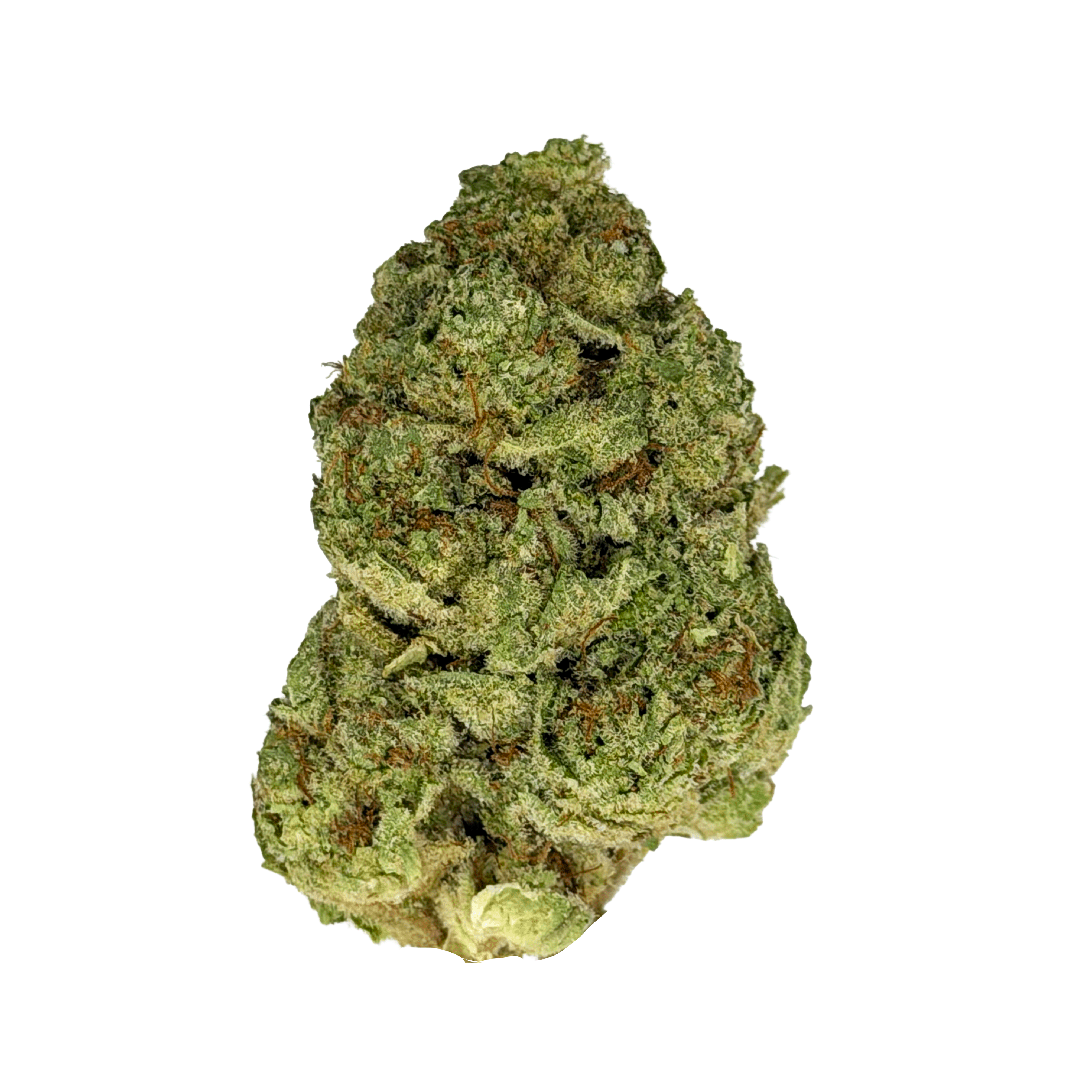
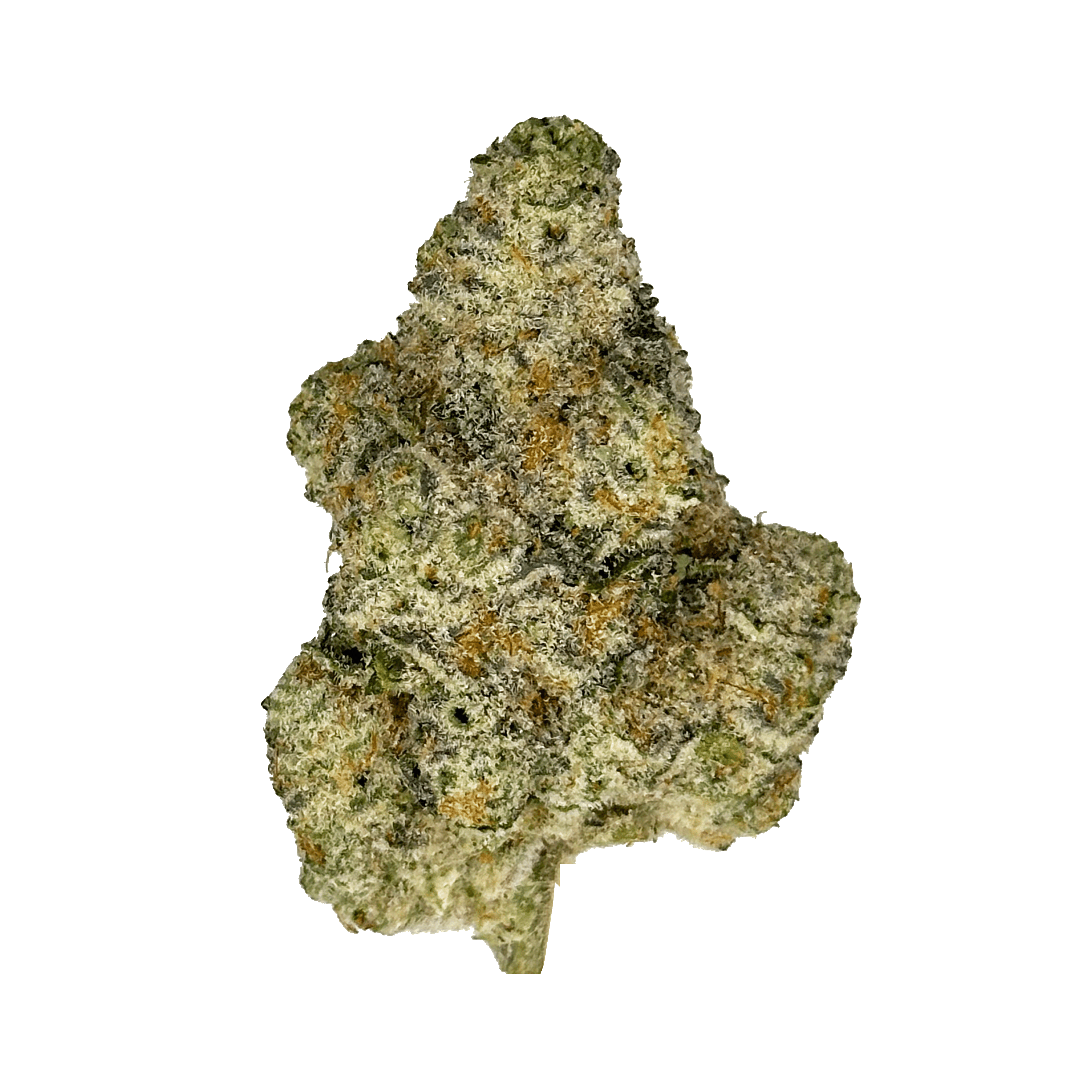
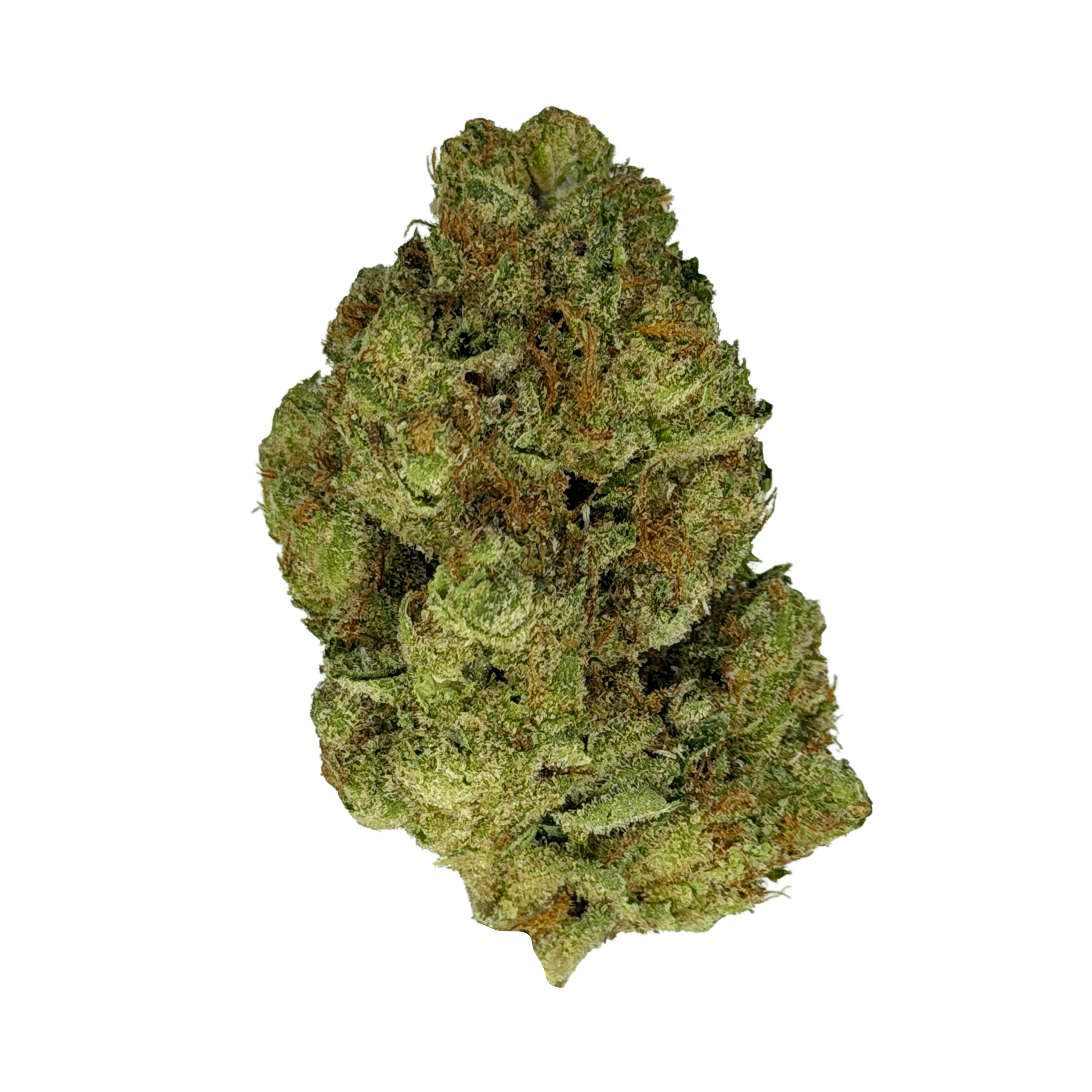
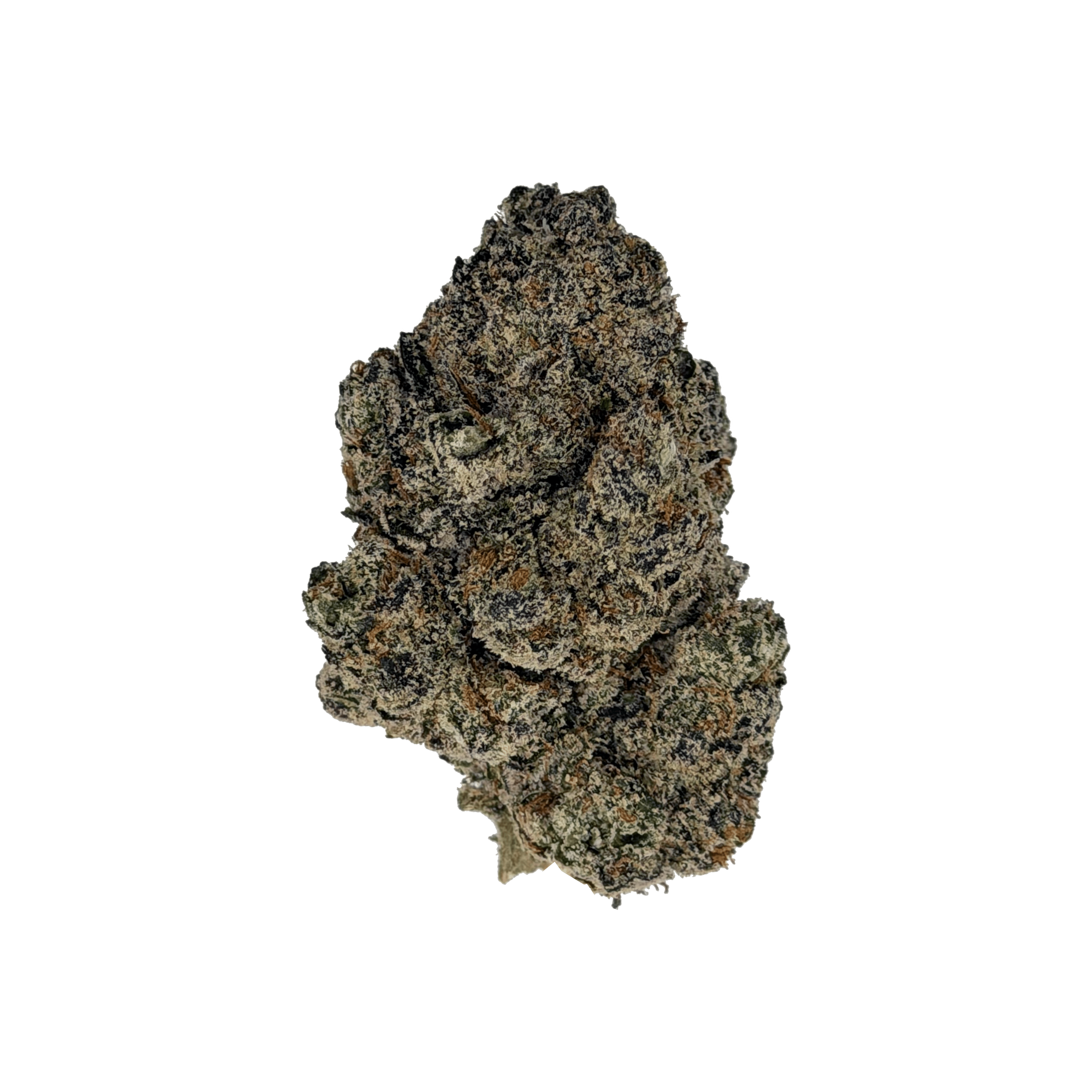
Two strains can test at similar THCA percentages and still differ substantially in:
- Terpene profile
- Genetics
- Aroma
- Flavor
- Bud structure
- Trichome development
- Moisture and cure
- Freshness
For that reason, the highest THCA flower on a laboratory report is not automatically the highest-quality flower overall.
How to Read a THCA Flower COA
A certificate of analysis, commonly called a COA, provides laboratory test results for a specific product or batch.
When comparing high-potency THCA flower, several parts of the COA are worth reviewing.
THCA Percentage
This is the primary number most customers look at when comparing potency.
A result such as 27% THCA means the laboratory measured approximately 27% THCA by weight in the tested sample.
Delta 9 THC
Look at the separately reported Delta 9 THC concentration as well. This is different from the THCA percentage.
Total Cannabinoids
Some laboratory reports also provide a total cannabinoid percentage that includes THCA, THC, CBD, CBGA, and other detected cannabinoids.
Batch Information
Ideally, the laboratory report should correspond with the specific batch of flower being sold rather than an unrelated or older sample.
Why THCA Test Results Can Vary
Cannabis flower is an agricultural product, so cannabinoid concentration can vary naturally even within the same strain.
Several factors can influence reported test results, including:
- The specific sample submitted to the laboratory
- Growing conditions
- Harvest timing
- Plant genetics
- Drying and curing
- Moisture content
- Laboratory testing methodology
This means a strain testing at 28% in one batch may test somewhat higher or lower in another batch.
Small differences between laboratory results should therefore be viewed in context rather than treated as a perfect ranking system.
Does Moisture Affect THCA Percentage?
Moisture content can influence how cannabinoid percentages appear when flower is tested by weight.
Very dry flower contains less water relative to its total weight, which can make cannabinoids represent a greater percentage of the remaining material.
That does not mean extremely dry flower is automatically better.
Properly cured flower should still maintain an appropriate balance between moisture, freshness, aroma, and overall handling characteristics.
What Role Do Terpenes Play?
Terpenes are naturally occurring aromatic compounds found in cannabis and many other plants.
They contribute to the aroma and flavor differences between strains.
Common cannabis terpenes include:
- Myrcene
- Limonene
- Caryophyllene
- Linalool
- Pinene
- Terpinolene
A strain with slightly lower THCA but a strong terpene profile may have very different aroma and flavor characteristics from a strain selected only for maximum cannabinoid percentage.
This is why many experienced flower customers compare both cannabinoid potency and terpene characteristics rather than chasing the largest THCA number available.
Indica, Sativa, Hybrid and THCA Potency
High-THCA flower can be found across indica, sativa, and hybrid strain classifications.
One category is not automatically stronger than another.
A sativa strain might test above 25% THCA, while an indica or hybrid strain may test at a similar or even higher concentration.
Potency should therefore be compared using the actual laboratory results for the strain rather than assuming one strain category contains more THCA.
How to Compare High-Potency THCA Flower
If you are comparing several high-THCA strains, a simple checklist can make the process easier.
- Check the reported THCA percentage.
- Review the Delta 9 THC result.
- Look at total cannabinoids.
- Confirm the laboratory report matches the product or batch.
- Compare terpene information when available.
- Consider strain genetics and flower characteristics.
- Look at freshness, trim, cure, and bud structure.
Looking at these factors together provides a better comparison than simply sorting products from the highest THCA percentage to the lowest.
Where to Find High-THCA Flower
When comparing THCA flower online, look for products with clearly displayed cannabinoid information and access to third-party laboratory testing.
At 25 Hour Farms, our THCA flower collection includes a rotating selection of strains with individual product information and laboratory results available for comparison.
Frequently Asked Questions About High-Potency THCA Flower
What is the strongest THCA flower?
The strongest THCA flower is generally the flower with the highest verified THCA concentration on its laboratory report. Because strains and batches change, there is not one strain that permanently holds that distinction.
Is 25% THCA considered high?
A laboratory result around 25% THCA would generally be considered a high concentration compared with many flower products.
Is 30% THCA high?
Yes. Flower testing at 30% THCA or above represents a very high laboratory-reported THCA concentration.
Does more THCA always mean better flower?
No. THCA percentage measures cannabinoid concentration, but flower quality can also involve genetics, aroma, terpene profile, cure, freshness, bud structure, and other characteristics.
Why do THCA percentages vary between batches?
Flower is an agricultural product. Genetics, growing conditions, harvest timing, moisture, curing, sampling, and laboratory methodology can all influence test results.
How can I verify THCA potency?
Review the product's certificate of analysis from a third-party laboratory and check the reported THCA, Delta 9 THC, and other cannabinoid results.
Are indica strains stronger than sativa strains?
Not necessarily. High-THCA strains can appear across indica, sativa, and hybrid classifications. The laboratory cannabinoid results provide a more useful potency comparison than the strain category alone.
Shop High-Potency THCA Flower
THCA percentage is one of the easiest ways to compare flower potency, but the strongest number on a COA should not be the only factor you consider.
Cannabinoid profile, terpene characteristics, genetics, cure, freshness, and laboratory testing can all help provide a more complete picture of a strain.
Browse the current THCA flower for sale at 25 Hour Farms to compare available strains, cannabinoid percentages, and laboratory results.

